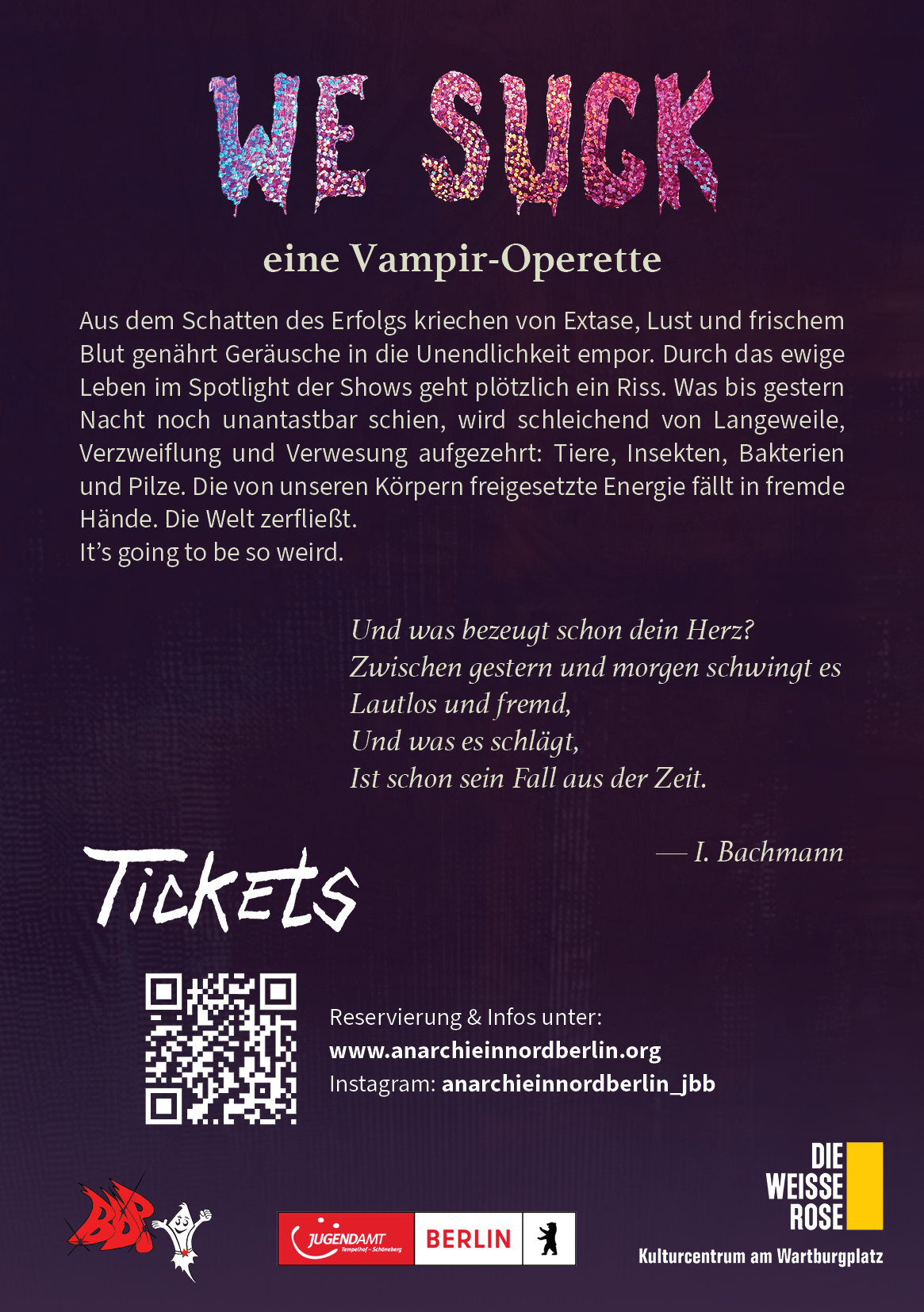
»We Suck« — A Vampire Operetta
From the shadow of success, odours creep upwards into infinity, nourished by
ecstasy, lust and fresh blood.
Suddenly, a crack opens in the eternal life lived in the spotlight of
shows.
What seemed untouchable only last night is slowly consumed by boredom, despair
and decay: animals, insects, bacteria and fungi.
The energy released by our bodies falls into the hands of strangers.
The world dissolves.
It's going to be so weird.
And what does your heart bear witness to?
Between yesterday and tomorrow it beats
Silently and strangely,
And what it beats
Is already its fall from time.
— I. Bachmann
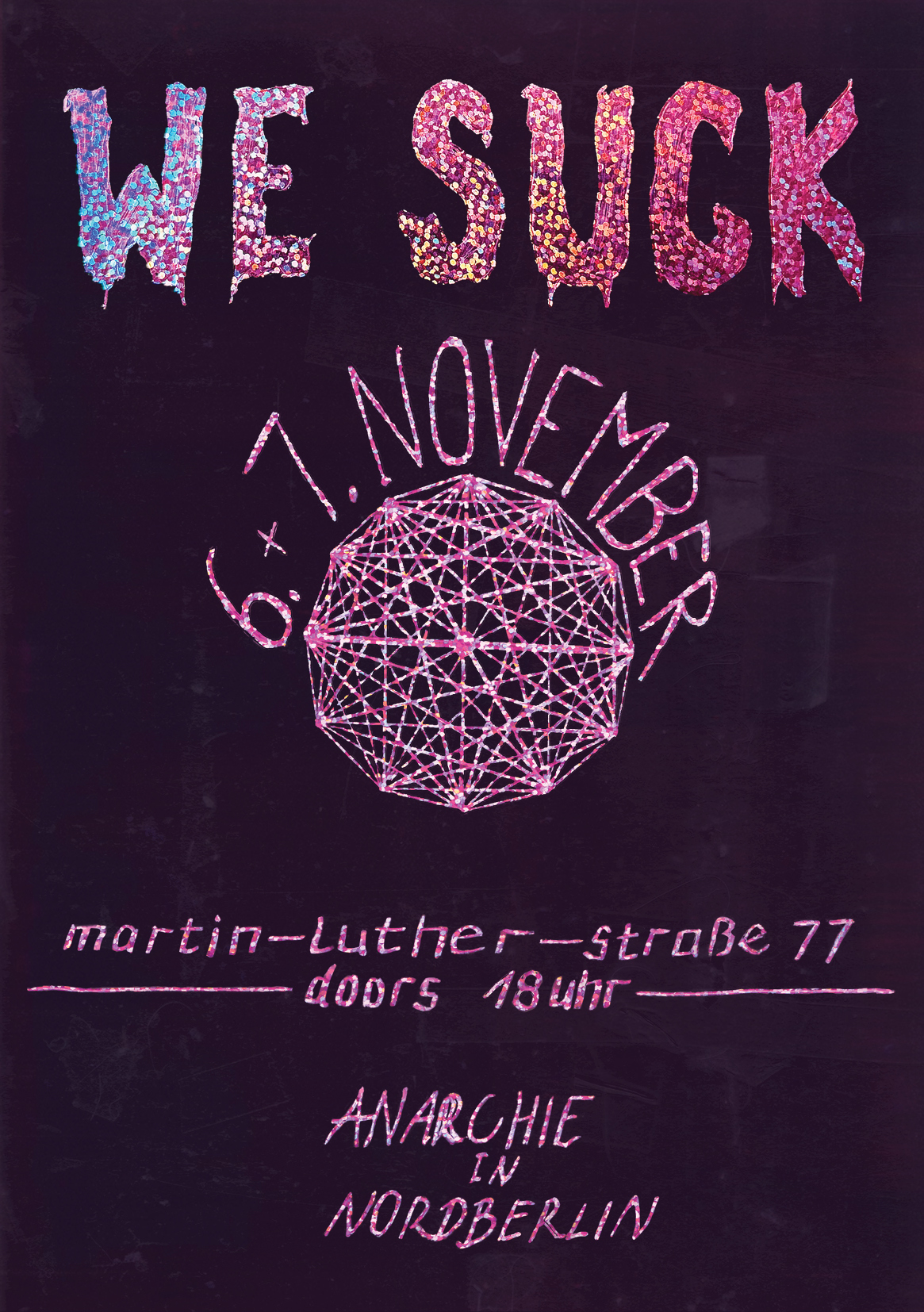
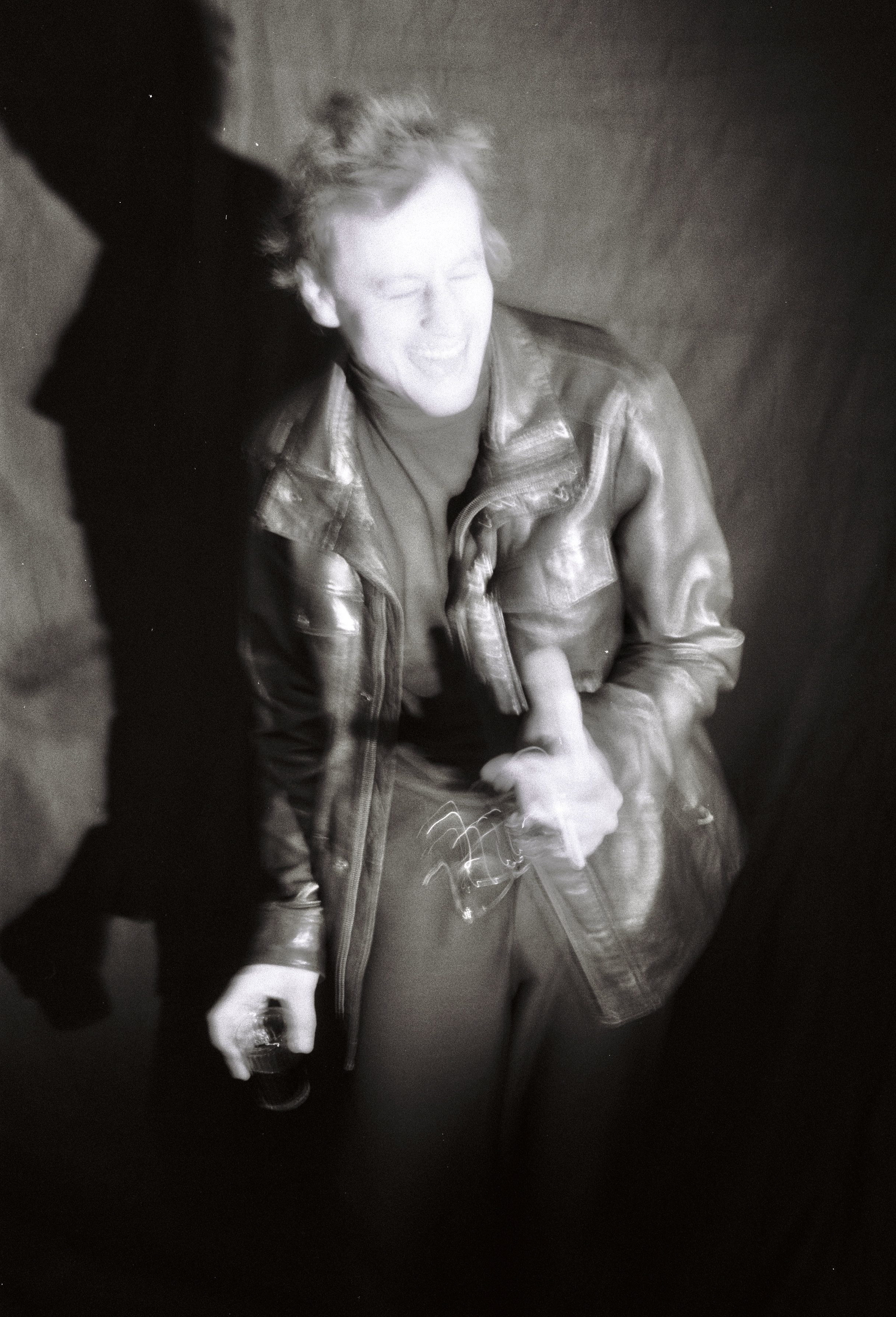
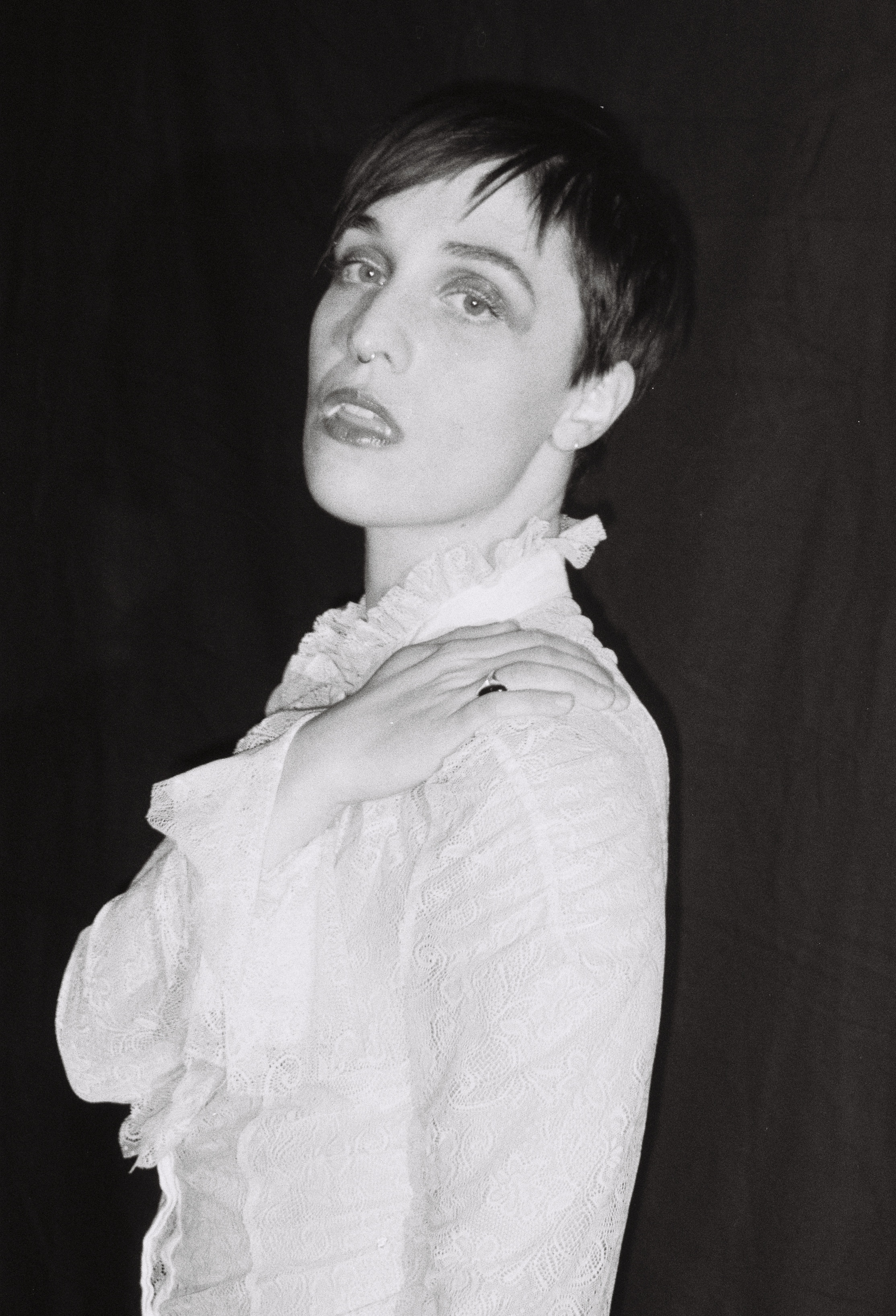
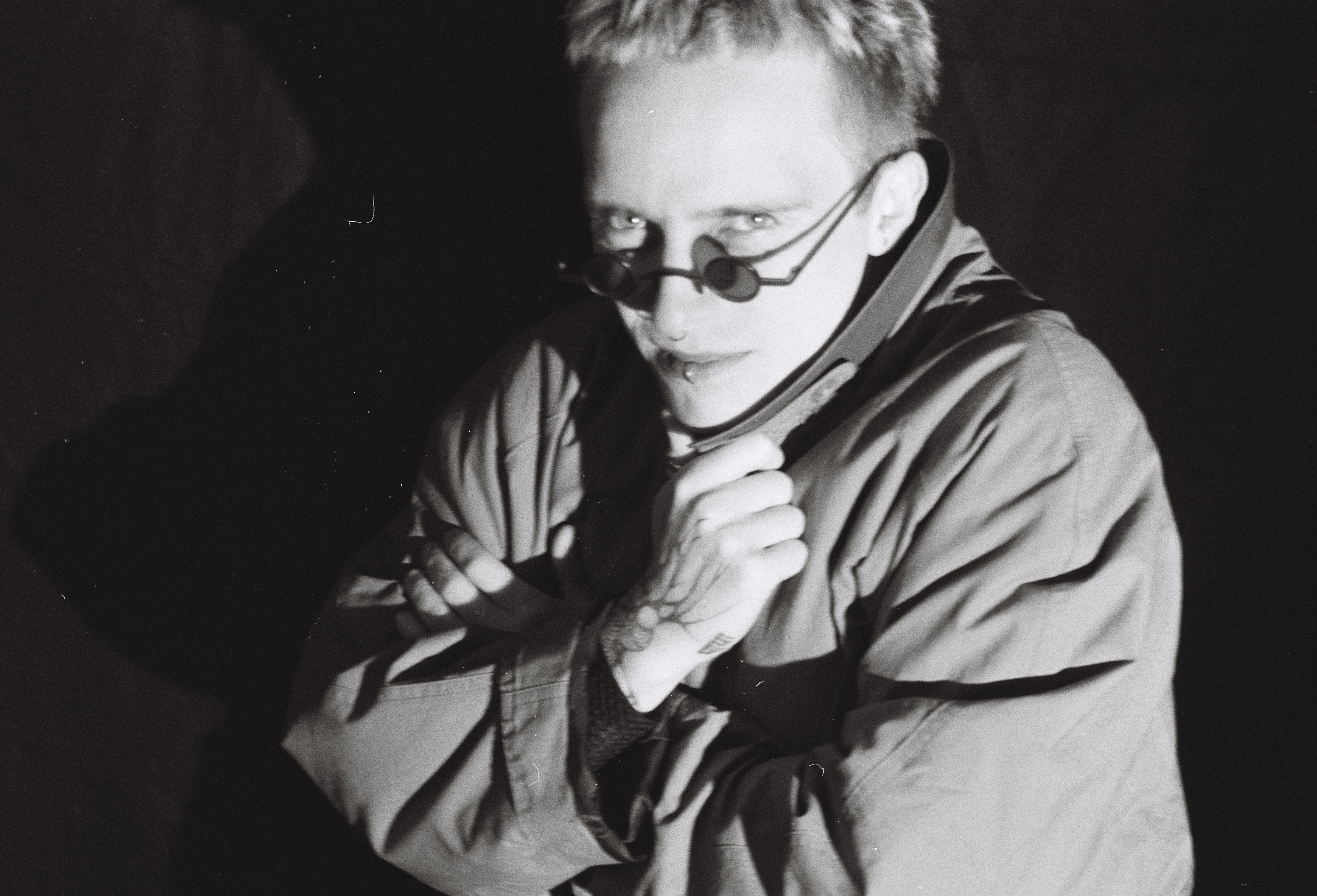
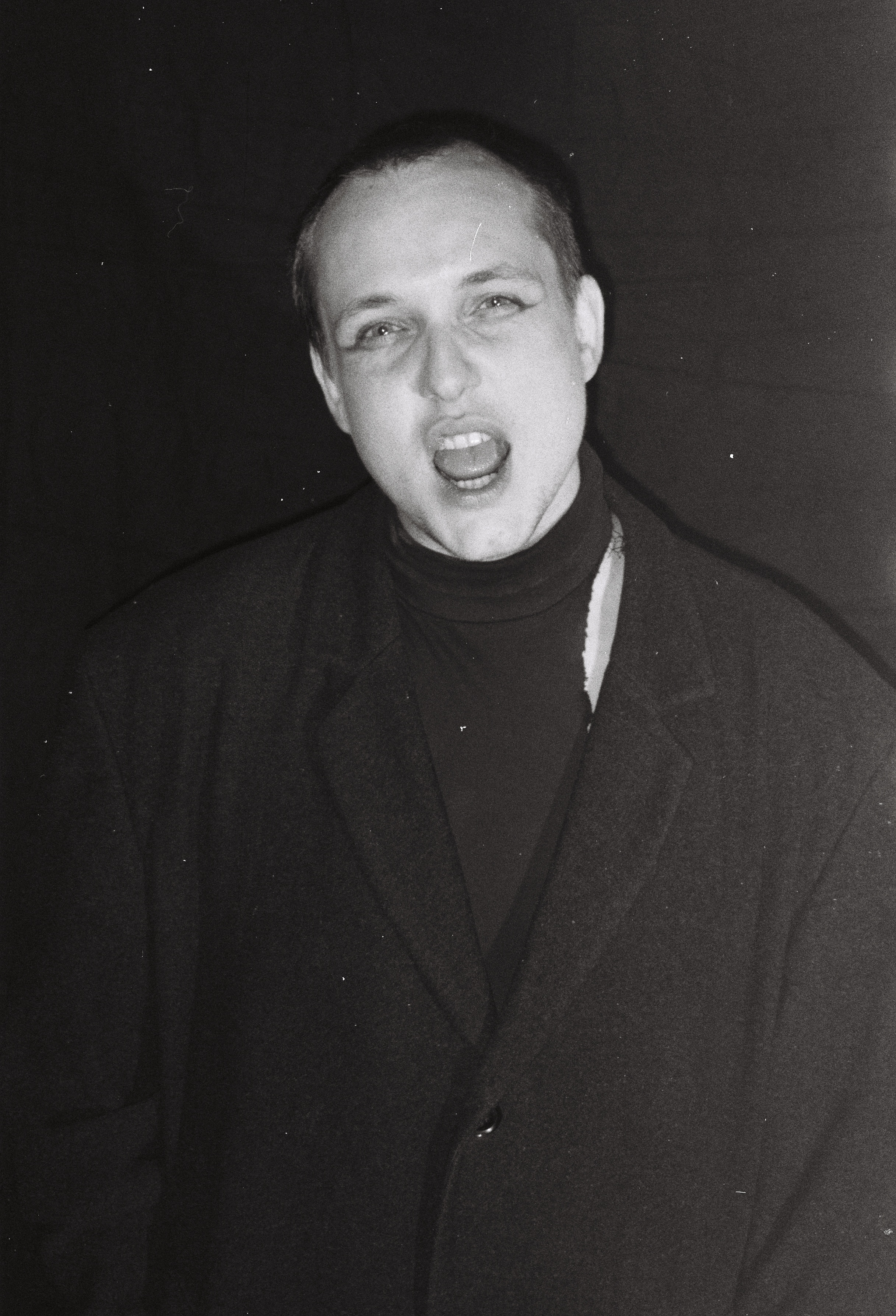
The theatre piece *We Suck* was developed collectively by *Anarchie in Nordberlin* over the course of the past twelve months. It takes the form of a collage of scenes, choreographies, choruses, and musical pieces, shifting between individual, figurative presence and collective presence on stage. (More on the group’s working process: more about the group’s practice.
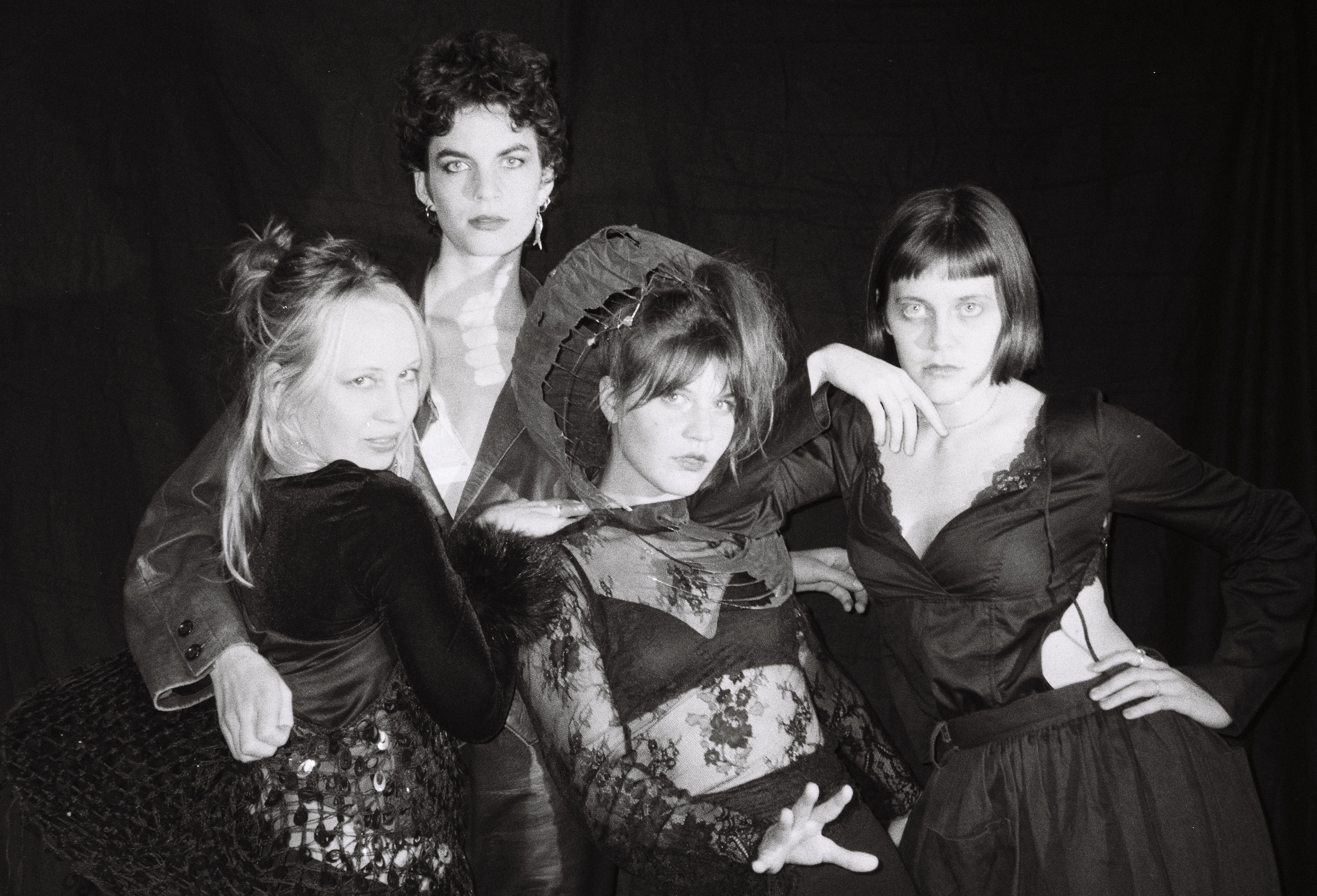
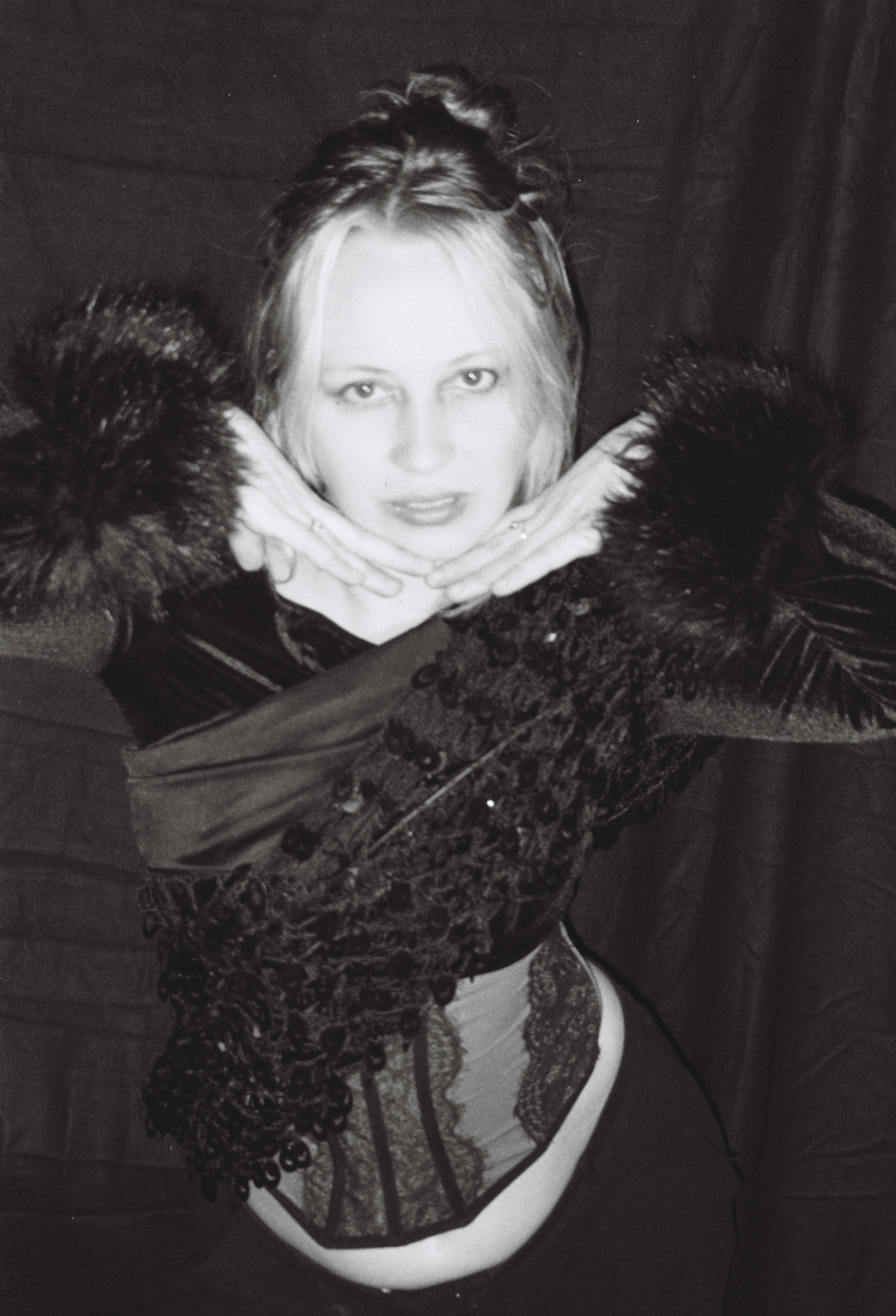
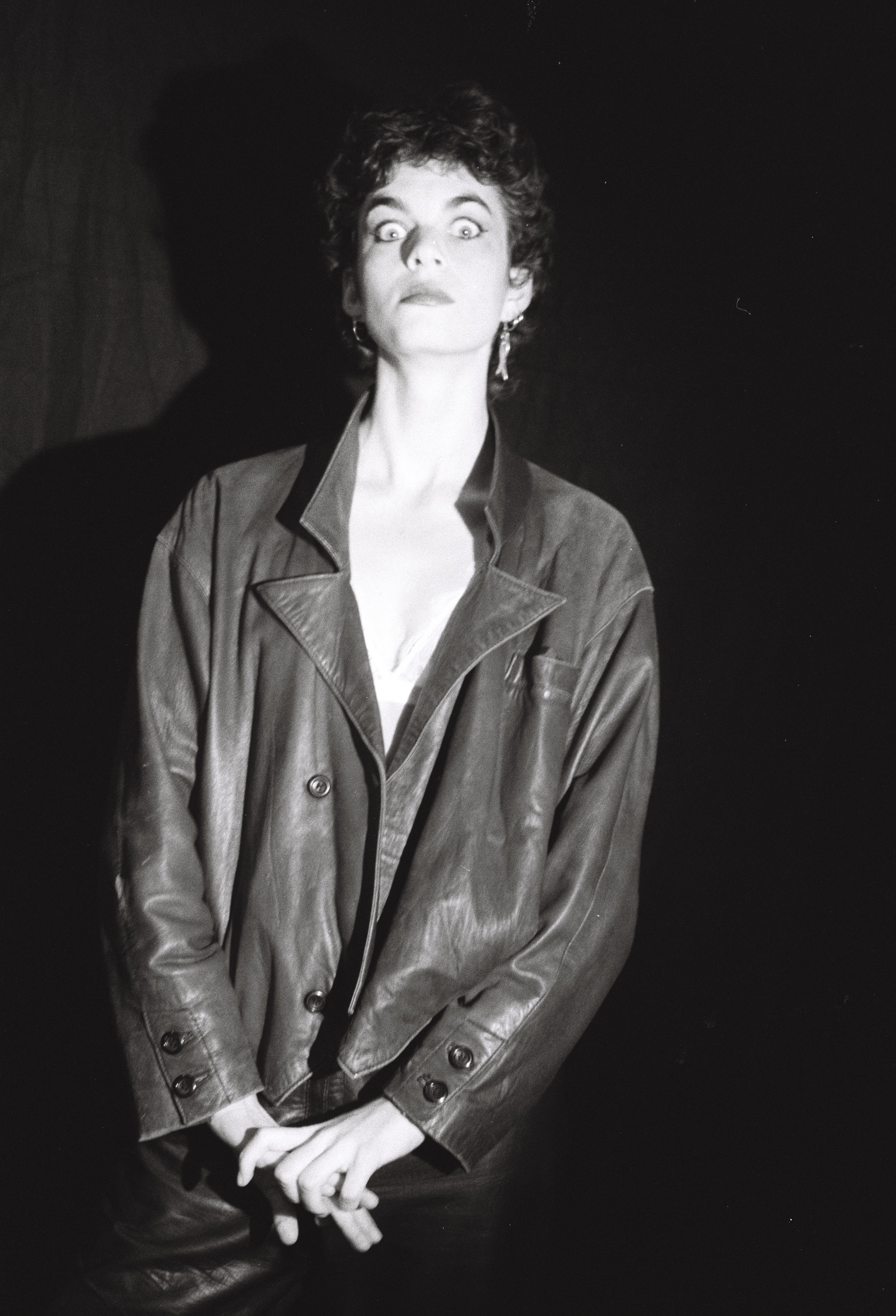
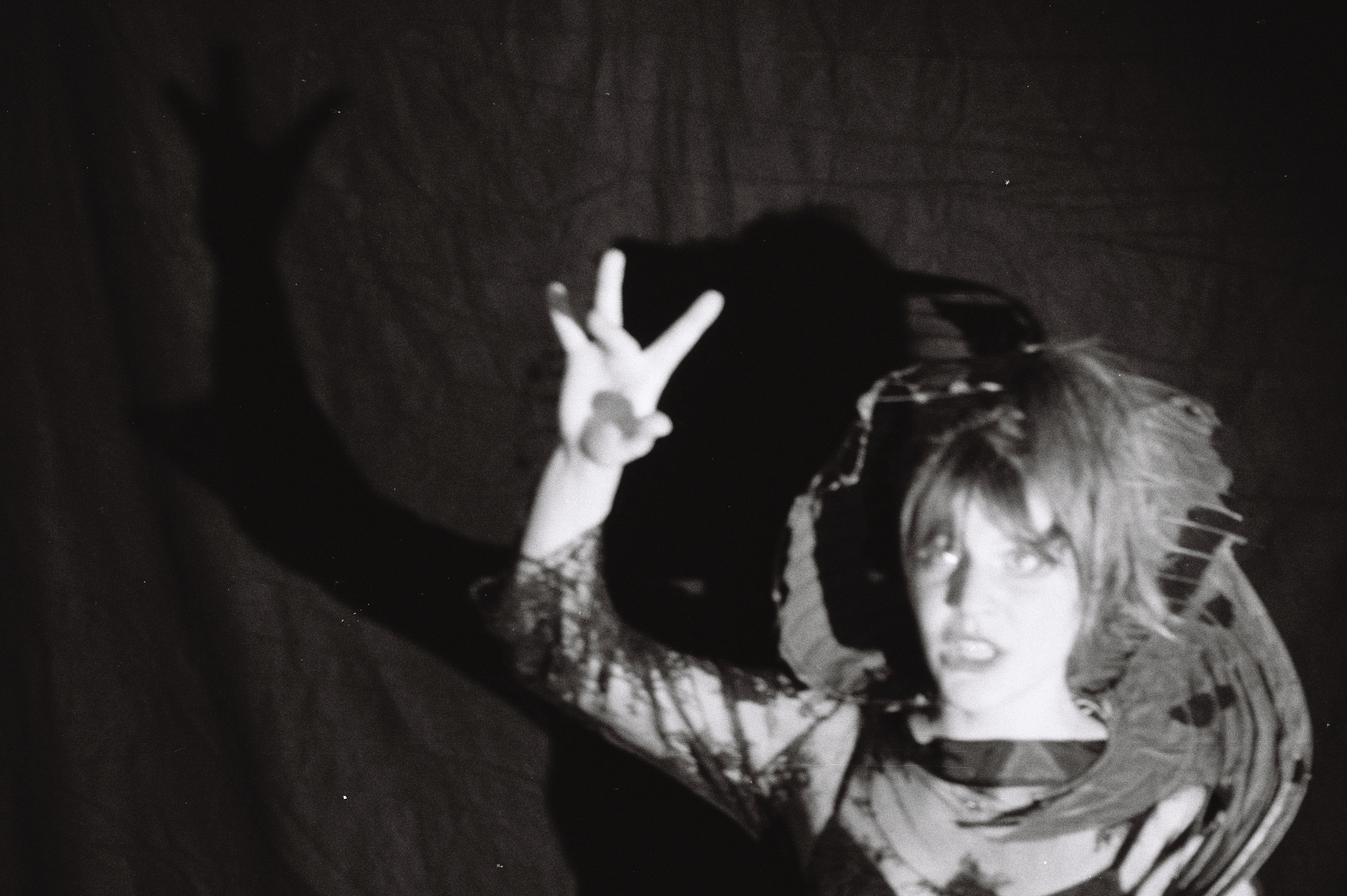
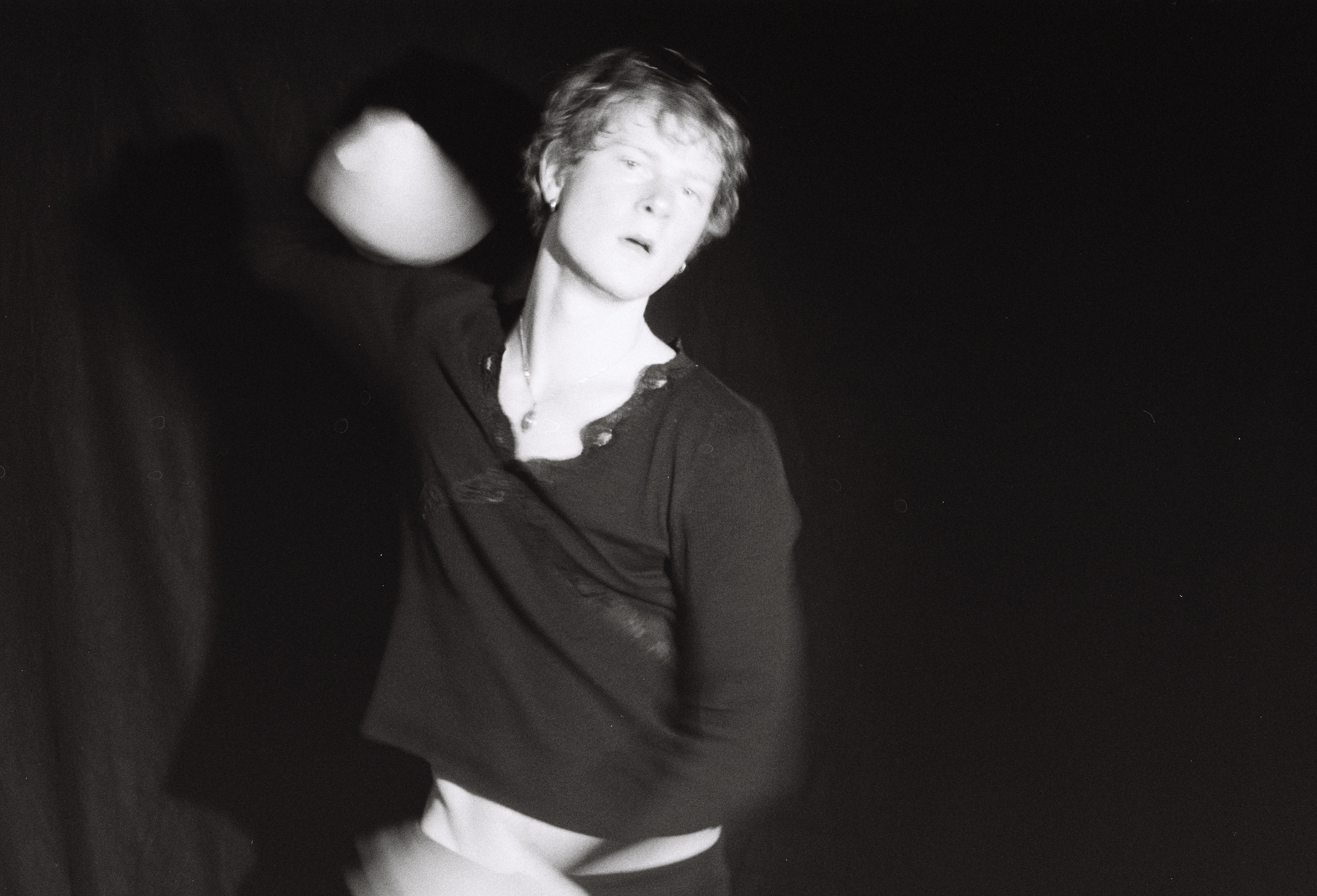
Through the figure of a vampire band suddenly confronted with finitude, the piece explores the splendour and the shadow of hedonism, the return of myth as both ruin and liberation, the fragility and emancipation of suffering bodies, and asks whether happiness is possible in eternity.
Lethargic and depressive bodies dance, all vitality drained from them, through the viscous golden intoxication of their success. Neither the manager nor the writer can touch them, any more than the four singers can touch one another. Cocooned in their music, they drift through immortality: “It is a misery that one cannot simply leap from a church tower and break one’s neck.”
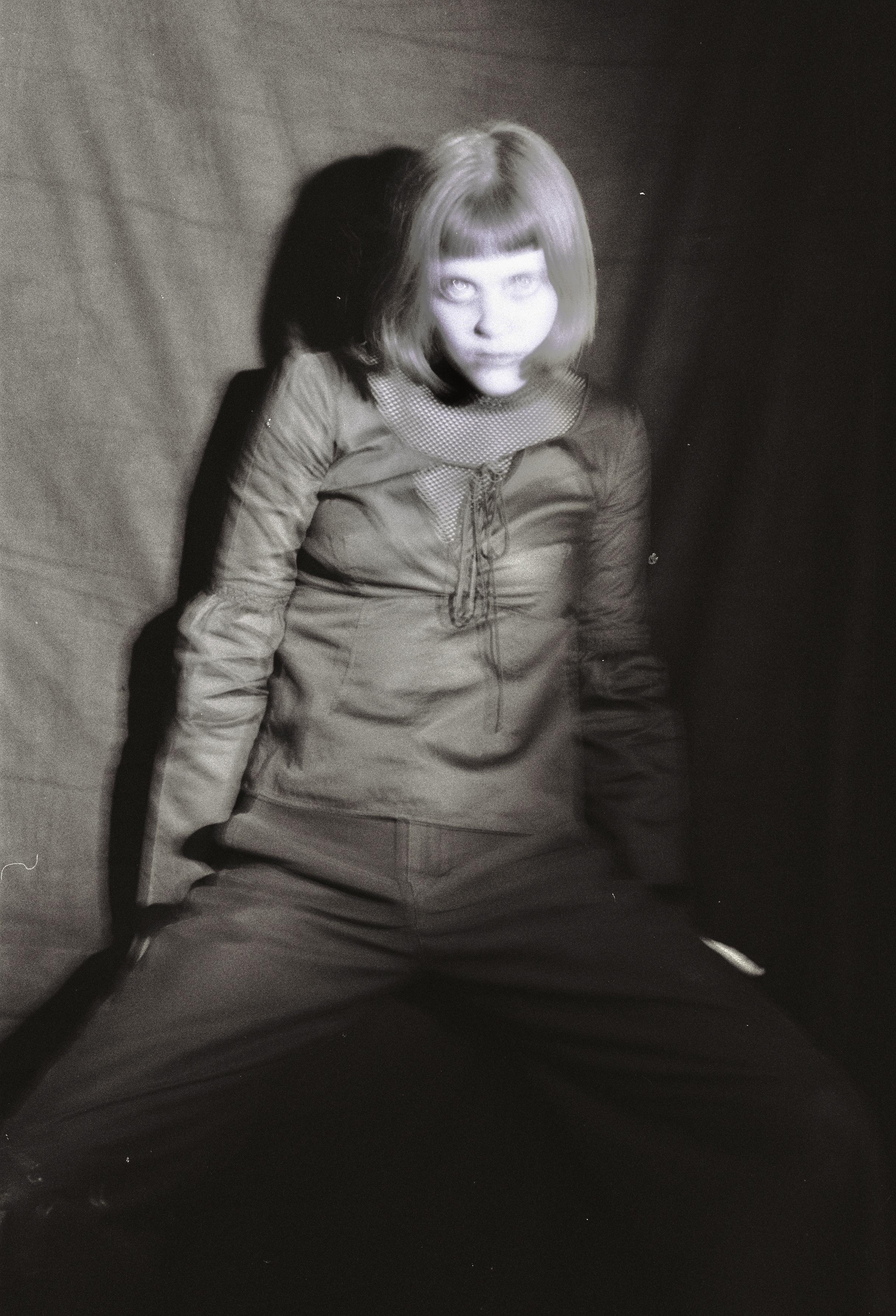
But when Daphne suddenly begins to tremble, they find themselves confronted with the materiality of their bodies—a materiality that appears before them as the manic body of the manager, the disembodied body of the writer, the desirable body of the dancer, the body of the cult held captive in trance, and, finally, as Daphne’s fragile and suffering body, slowly disappearing into the candle flames and the slit in the curtain.
Infinity thus becomes a cipher for a society perpetuating itself without end, while the suffering body becomes at once an expression of its tendencies towards decay and the possibility of something radically other. And as Daphne’s body begins to decompose, the narrative structure of the piece, too, dissolves into a postdramatic image forever tipping between one form and another.
|
Music and Sound Antonio Colli, Jakob Deges, Leon Martin, Stage design Joyce Schubert, Moritz Burgtorf, Costume design Lilith Huggle Dramaturgy: Emil Egenbauer |
With extracts from: Akira the Don — WEIRDER AND WEIRDER Elfride Jelinek — Ein Sportstück, Krankheit oder Moderne Frauen Georg Büchner — Leonce und Lena Thomas Bernhard — Jagdgesellschaft Ingeborg Bachmann With a few exceptions, the lyrics and music were developed collectively. |
Music: Dörte and the Dicks — Mesmorized Prince — Sexy M.F. |