Anarchie in Nordberlin
Our theater projects emerge from a collective, process-oriented working method. We are developing our productions from diverse scenic fragments — ranging from dance and performance to dramatic and post-dramatic scenes and musical performances — that we explore in the first half of every production cycle. In the following months leading up to the premiere, we refine and further develop these materials during the rehearsal process — a procedure that has proven successful in our two previously produced plays. The result is a play, written collectively, lasting approximately two hours, featuring a narrative framework, performative elements, live music, our own set design, and our own costume design. Our self-understanding as a collective means that we work without a director. We decide all aesthetic and organizational matters collectively and democratically. Currently, our collective consists of 9 performers, a dramaturg, two musicians, two set designers and one costume designer.
We spend one year working on each production, with the production process divided into two phases: (1) In the first six months, we experiment — still largely without the goal of a play in mind — with different forms of performance, writing, and expression, thereby developing texts, scenes, choreography, and music. Each month, a different member of the collective takes over rehearsal direction, which allows for a wide variety of aesthetic techniques — from dance to spoken theater — to be employed. The scenes developed during this phase form the material for the second phase of work: (2) Here, we bring together what we have developed so far, create new scenes, and thus find a central theme for our play. In particular, during the bi-monthly rehearsal weekends, we thus establish a conceptual, narrative, and thematic framework for the piece. A willingness to transform and a continuous shared understanding of what we want to achieve artistically form the foundation of our working method. This approach, which is deliberately not goal-oriented for a set period of time, allows us to discover themes that preoccupy the collective members — perhaps even unconsciously —; that is, to find content that a voluntaristic, planning-oriented approach would tend to suppress.
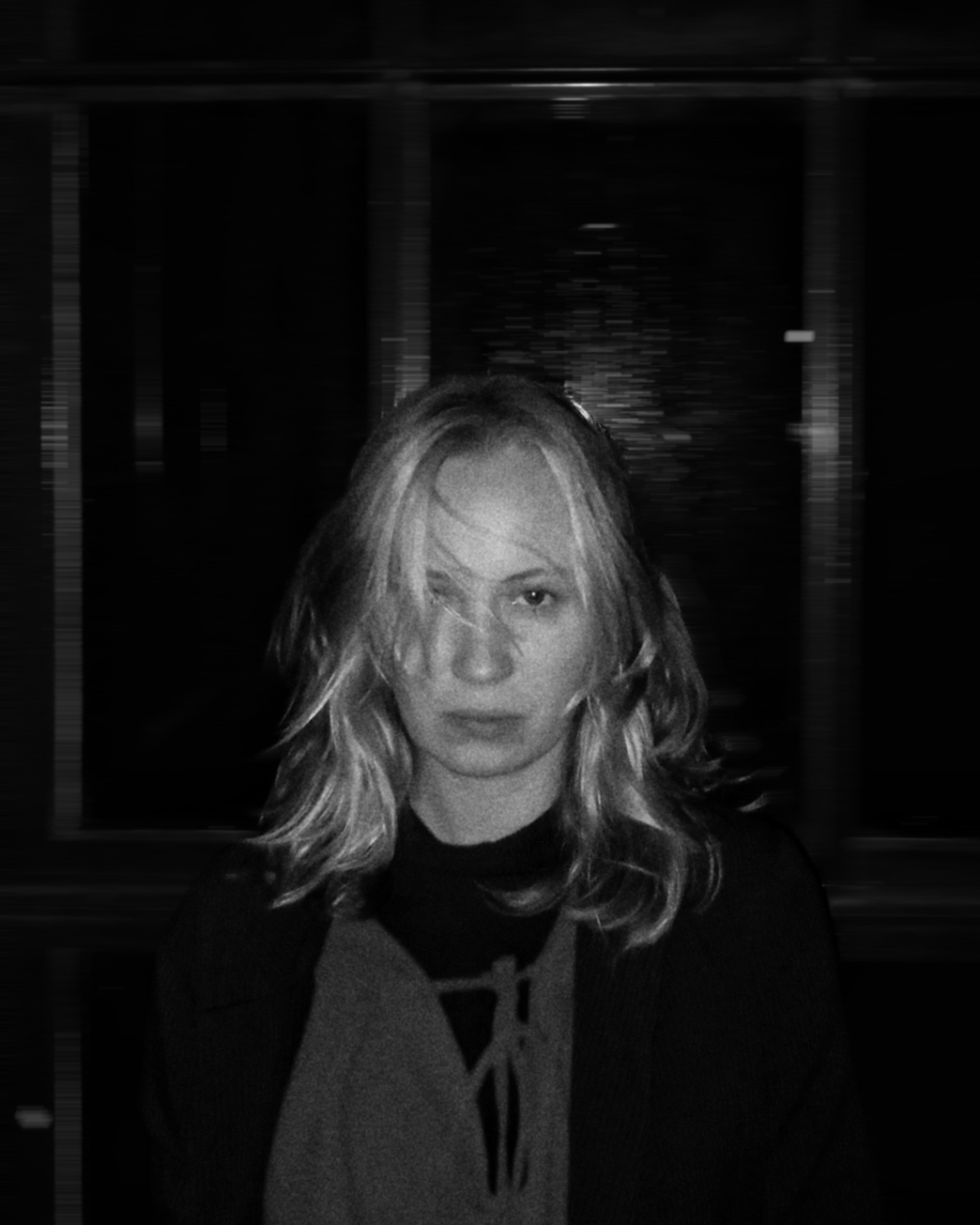
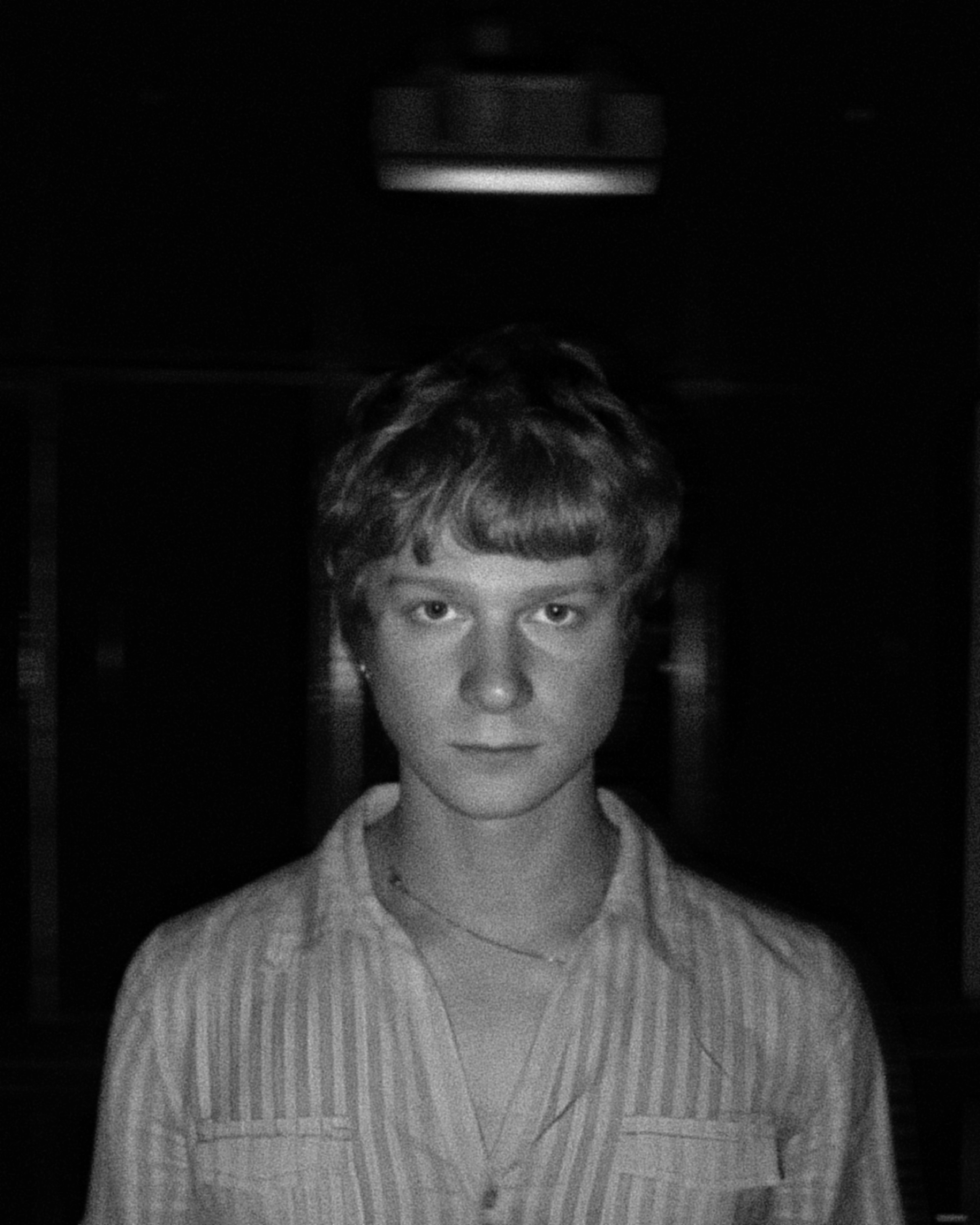
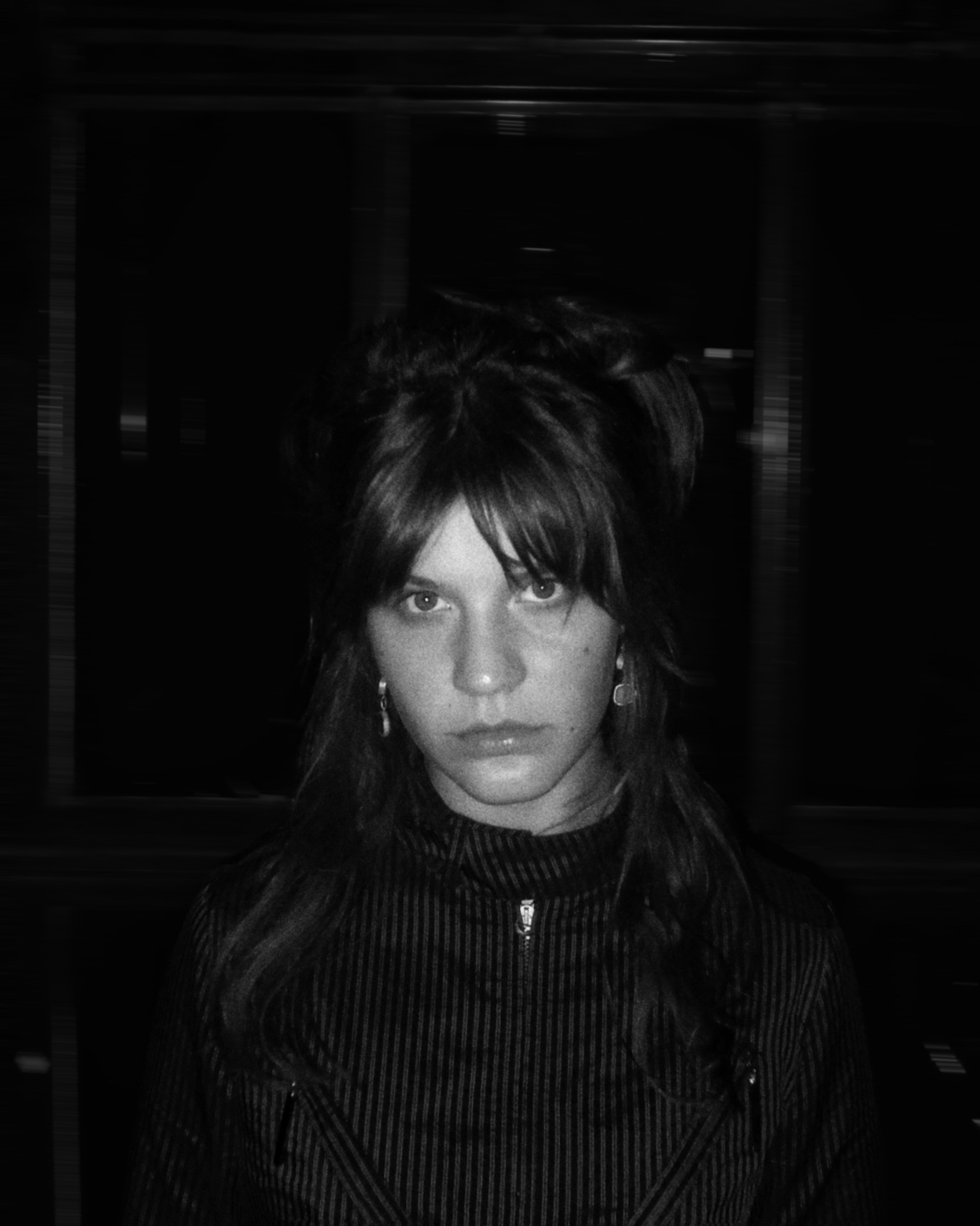
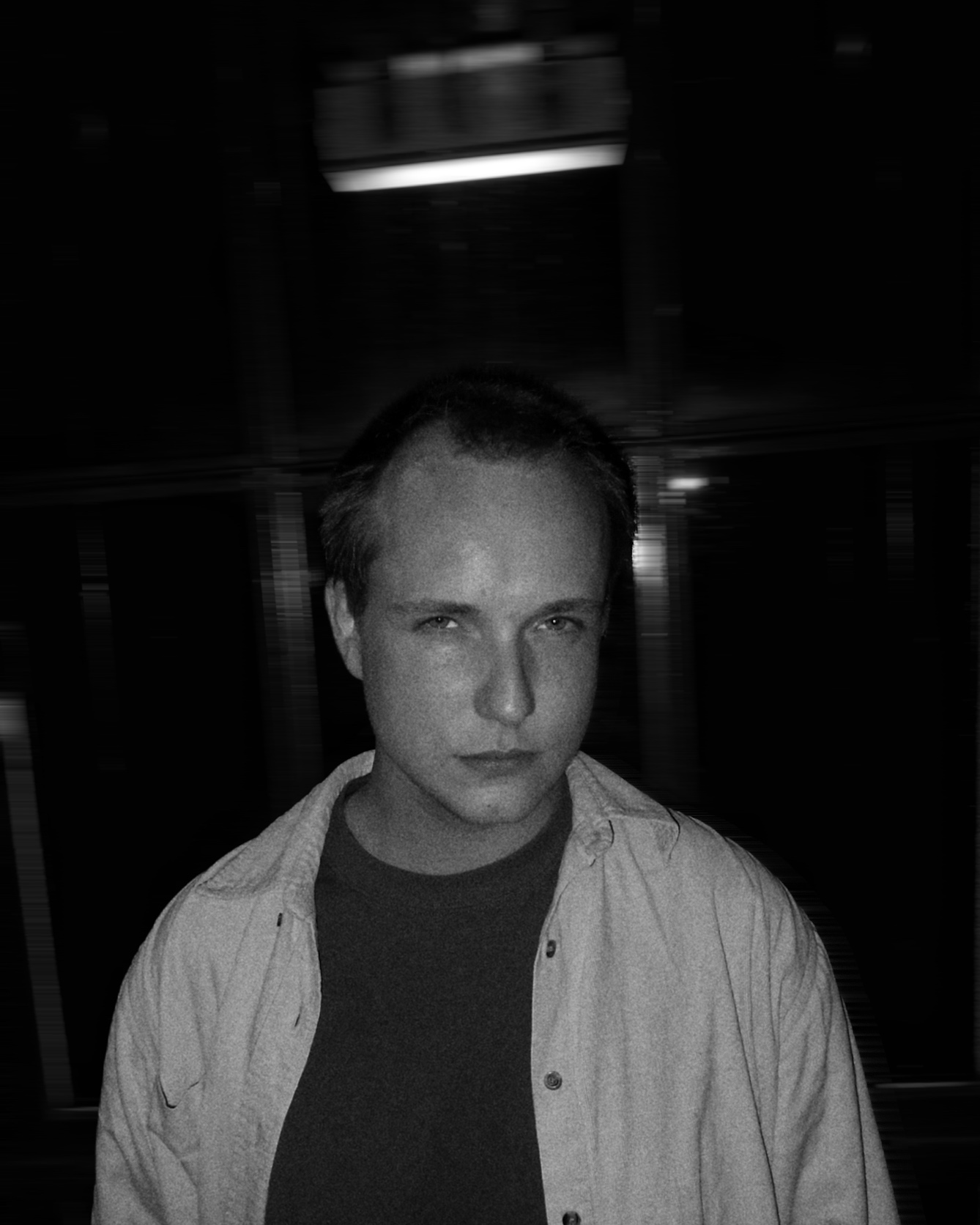
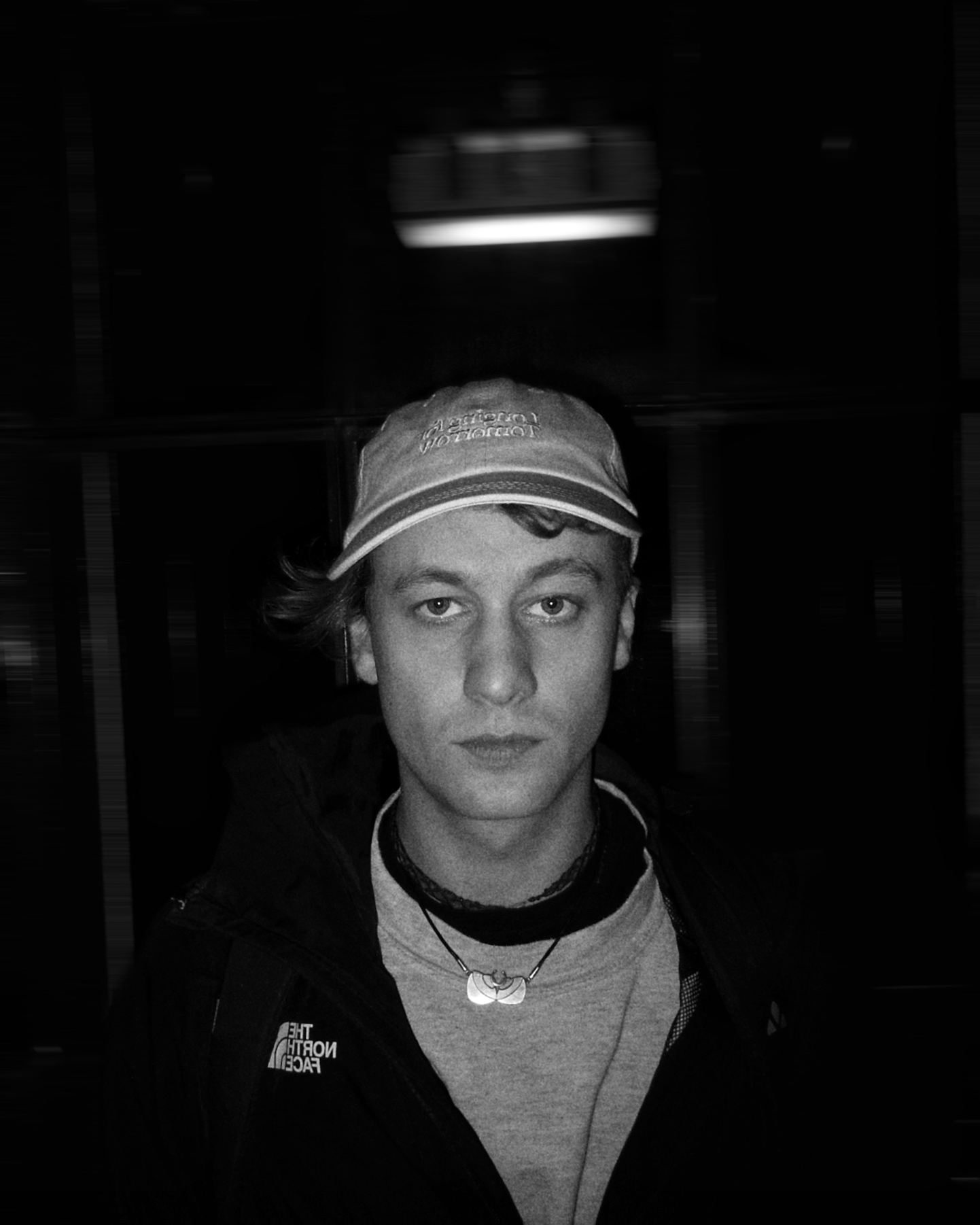
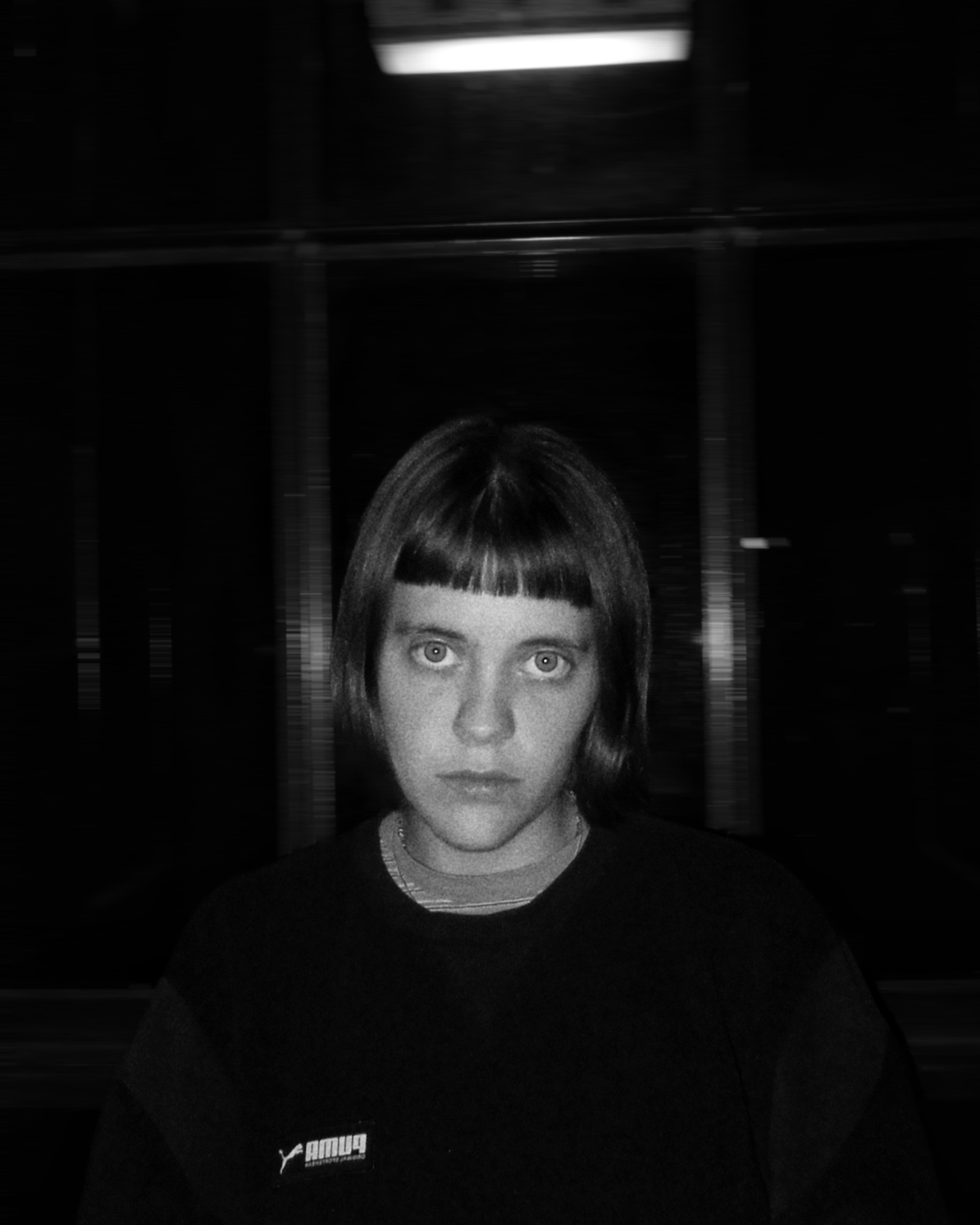
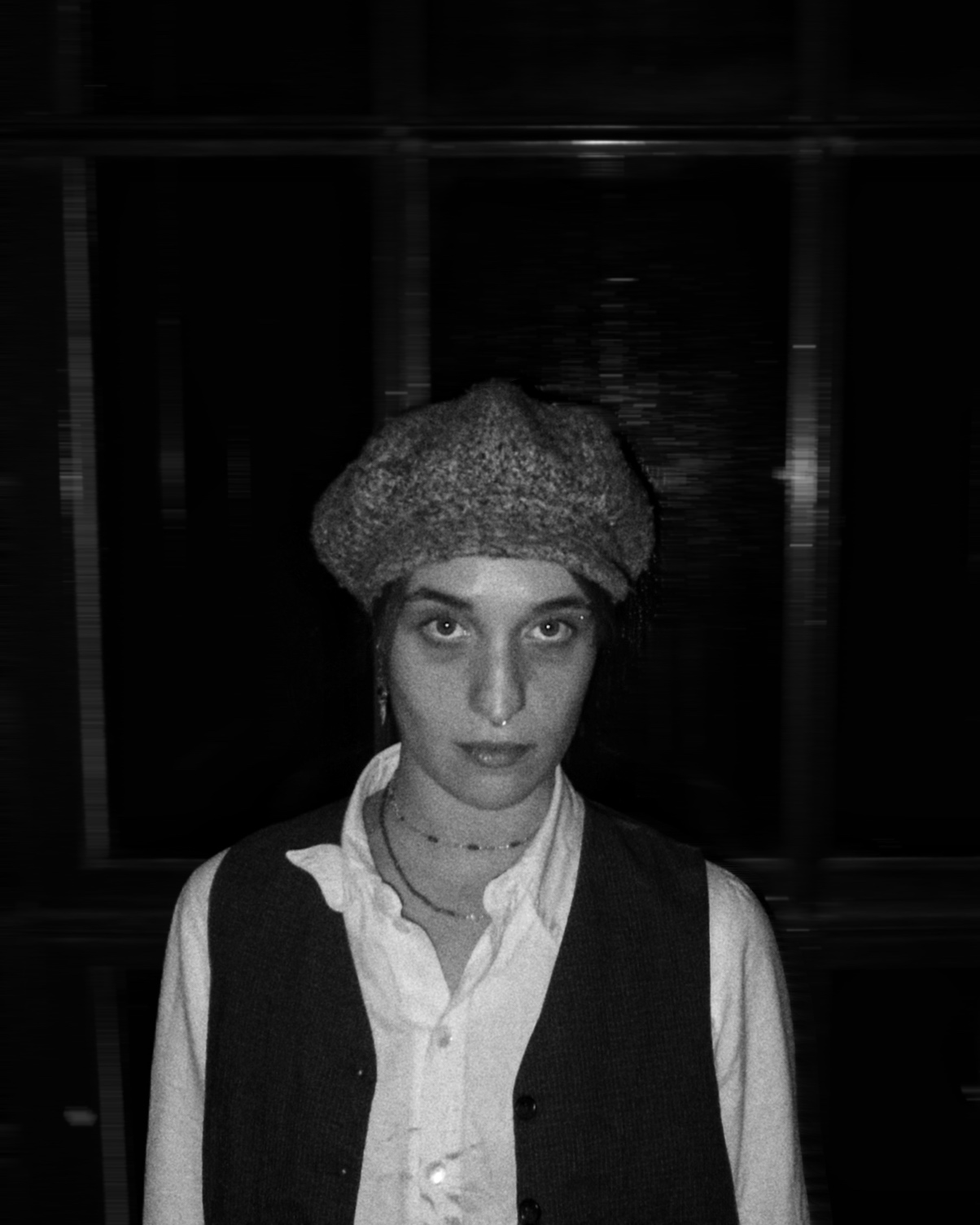
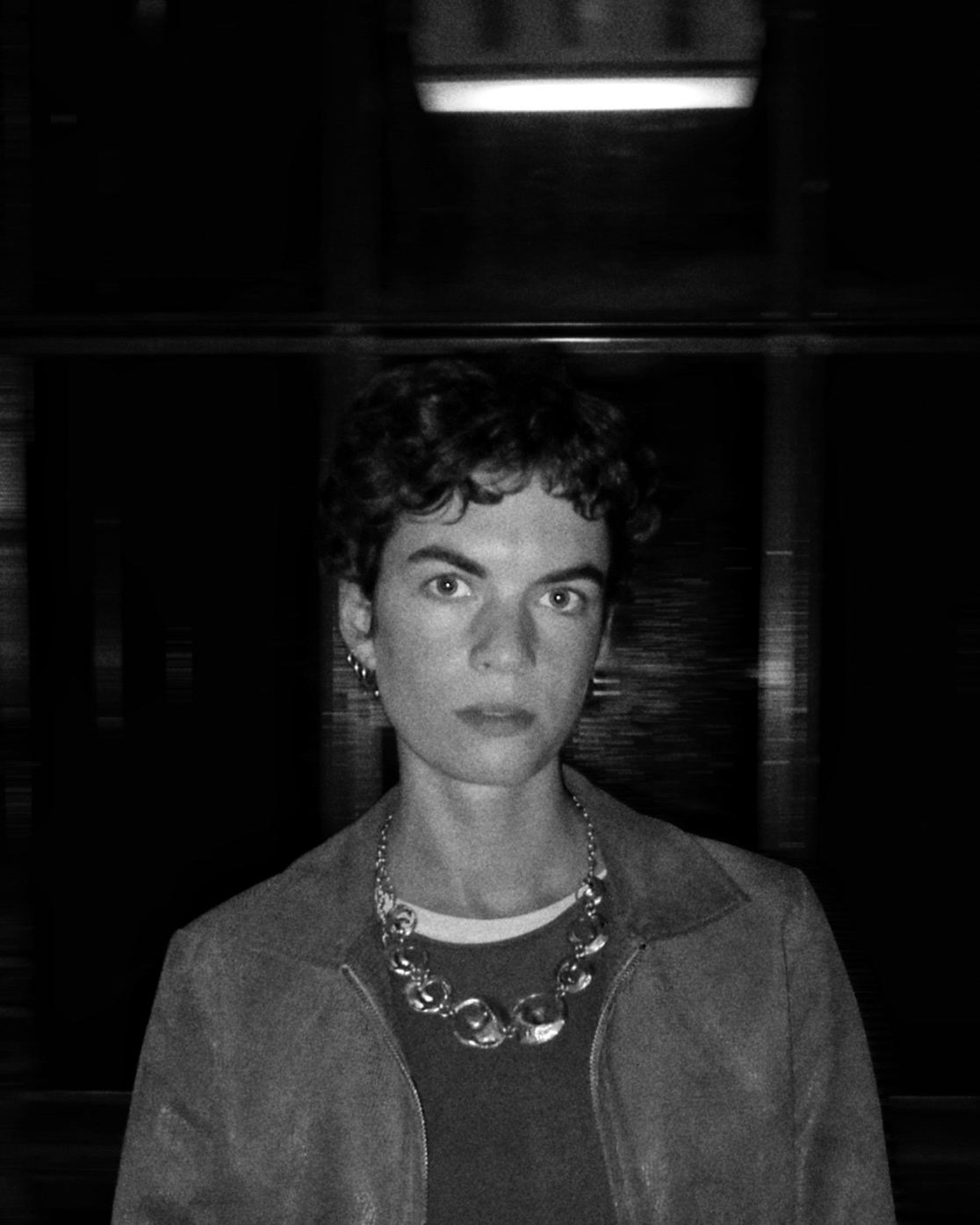
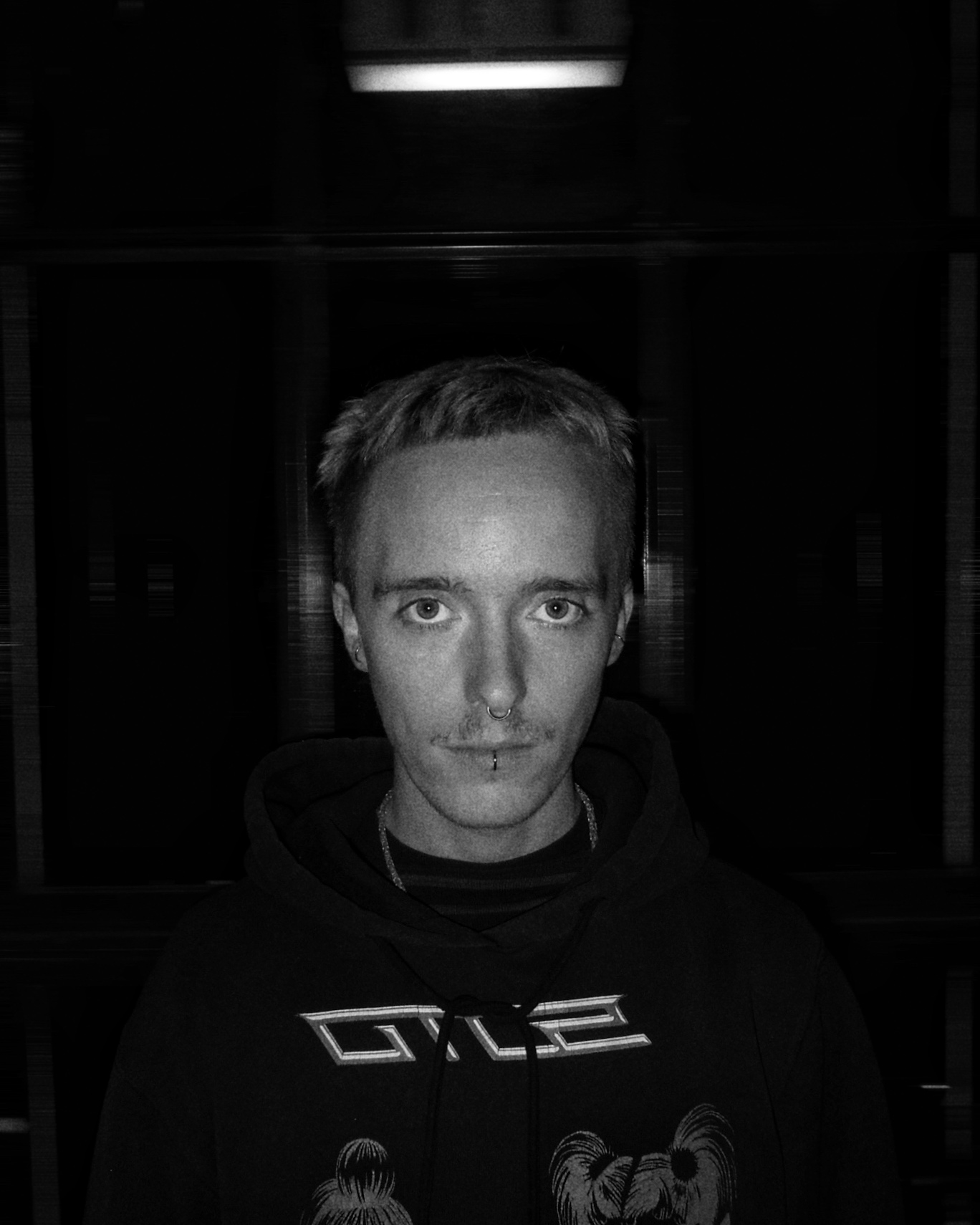
Our aesthetic lies at the intersection of experimental and dramatic-narrative theater. Our previous rehearsal blocks, each lasting one month, were themed around poetry, surrealism, post-dramatic theater, pictorial stories, depressive choruses, epic theater, cadences and dialogues. Sources of inspiration have included lyrical, dramatic, and prose works by Ingeborg Bachmann, René Pollesch, Elfriede Jelinek, Berthold Brecht, Sarah Kane, Reiner W. Fassbinder, Rosa Luxemburg, Georg Büchner and Heinz Erhardt among others — though the texts ultimately performed are written collectively by the collective. Generally, we address on stage what moves and emotionally drives us — the members of our collective — move and emotionally stir. We link our scenes — a practice that has already established itself as best practice — both in an associative, montage-like manner and with linear plot elements, which implies an aesthetic that oscillates between chaos and order and weaves together different forms of performative expression. In line with our conviction that political theater must also be formally bold, we are constantly experimenting with new formats — though recurring elements of our aesthetic include a surreal underlying mood, the use of (live) camera footage, choirs, and a shifting balance between individual-figurative and collective stage presence. Throughout, our democratic-collective working method is thus also reflected in the final aesthetic products, our anarchic theater evenings.
Featured stage designers: Anna Bronec, Martin Gonschorek, Moritz Burgtorf, Joyce Schubert
Featured costume artists: Daria Belkina, Natasha Kordts, Lilith Huggle
Featured musicians: Anna Krasnoselskaya, Antonio Colli, Jakob Simon Deges, Leon Martin
Featured directors: Emil Egenbauer, Jan van Dick